
Reverse logistics is the process by which a product returns from the end customer to the warehouse or logistics centre of the ecommerce business. It manages returns, exchanges, undelivered orders and defective products.
For an ecommerce business, reverse logistics is not just operational: it directly impacts profitability, margins and customer experience. An efficient system allows you to recover value, reduce costs and maintain customer trust.
What is reverse logistics in ecommerce?
In an ecommerce context, reverse logistics includes:
- Receiving return requests.
- Approval and generation of return labels.
- Collection or shipping of the product back.
- Warehouse inspection.
- Refurbishment if necessary.
- Re-integration into stock or liquidation
It is not only about accepting returns: it is a structured process that enables product value to be recovered as quickly as possible. Disorganised reverse logistics causes delays, inventory loss and higher operational costs.
Why reverse logistics is key for profitability?
Each return has a cost: return transport, warehouse handling, product inspection, potential packaging damage, time to restock and administrative expenses.
Without an optimised process, these costs reduce margins and affect customer experience.
Efficient reverse logistics allows you to:
- Reduce operational costs.
- Recover stock faster.
- Minimise losses from unsold products.
- Maintain customer trust and loyalty.
Benefits of implementing reverse logistics correctly
Beyond cost reduction, an effective system brings strategic advantages:
- Improves operational efficiency.
- Optimises inventory management.
- Increases customer satisfaction and loyalty.
- Recovers value from returned products.
- Facilitates ecommerce scalability
Types of reverse logistics in ecommerce
- Returns management: the most common process, essential for improving customer experience.
- Packaging management: reuse of packaging material to reduce costs.
- Repairs and maintenance: products returned for warranty repairs.
- Refurbishment: repairing products or recovering parts for reuse.
- Delivery errors: products returned due to failed delivery attempts.
- Unsold goods: retailer returns to the manufacturer.
- Equipment rental: return of rented products for reuse or reallocation.
- End of life: products returned for refurbishment or safe disposal.
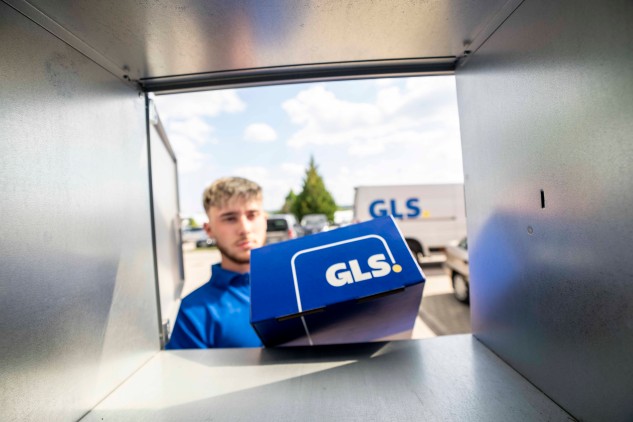
How to implement a reverse logistics process step by step?
Analyse the real causes of returns
Identify patterns: incorrect sizes, unclear descriptions, long delivery times. Reducing returns starts before the product leaves the warehouse.
Define a clear and profitable return policy
It should be simple for the customer and sustainable for the business. Set transparent deadlines, conditions and responsibilities.
Automate requests and tracking
Integration with your ecommerce platform allows automatic label generation, status updates and reduced administrative workload.
Integrate reverse logistics with your logistics provider
Working with a specialised operator facilitates:
- Fast returns processing
- Professional inspection
- Efficient sorting
- Immediate stock reintegration
This reduces time and losses and connects naturally with fulfilment services.
Refurbish and restock the product as soon as possible
The longer a product remains out of inventory, the greater the impact on revenue.
Measure the true cost per return
Calculating the full cost allows you to identify improvement opportunities and make strategic decisions.
Common mistakes in ecommerce reverse logistics
Managing returns manually.
- Failing to calculate the total cost of the process.
- Delaying stock reintegration.
- Not integrating technology systems.
- Not coordinating reverse logistics with fulfilment.
These issues often occur when ecommerce businesses grow without adapting their logistics infrastructure.
When it makes sense to outsource reverse logistics?
As order and return volumes increase, internal capacity may be insufficient. Outsourcing within an integrated fulfilment model allows you to:
- Absorb peaks in returns.
- Maintain full traceability.
- Reduce processing times.
- Optimise operational costs.
For growing ecommerce businesses, integrating reverse logistics into an external logistics model enables scalability without compromising customer experience.
FAQs about reverse logistics in ecommerce
What is the difference between direct and reverse logistics?
Direct logistics delivers the product to the customer; reverse logistics manages its return to the warehouse
How much does a return cost in ecommerce?
It depends on the product and logistics model, including transport, handling, inspection and possible refurbishment.
Can the return rate be reduced?
Yes. Improving product listings, descriptions, size guides and quality control can significantly lower return rates.